

COMMUNITY INITIATIVE
OPERATIONAL PROGRAMME
LEADER+ 2000-2006
OPERATIONAL PROGRAMME
LEADER+ 2000-2006

MINISTRY OF RURAL DEVELOPMENT AND FOOD







KEA- TZIA



PROJECTS











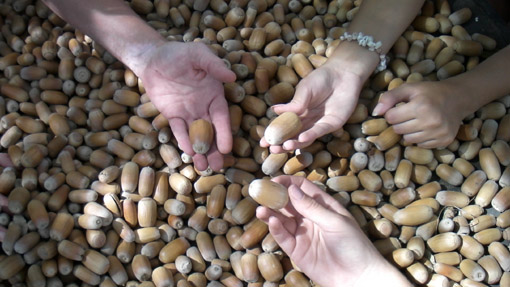
Acorns are edible.
Acorns are high in protein, potassium, magnesium, calcium & vitamin B6.
Acorns were the staple food of Californian indigenous tribes and pre-Christian Greeks.
Acorn flour can be used in place of wheat and corn flour and is higher in protein and fiber than both.
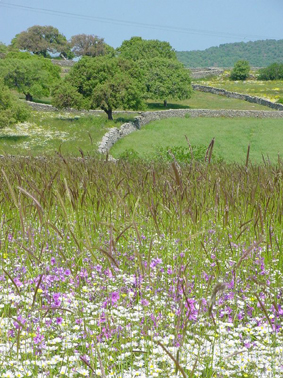
Large parts of Kea are covered with acorn bearing Oak forests.
Acorn caps - Hamada - are again being used in European tanneries. We export truck loads every February and March.
Today acorns are eaten in Korea, Turkey & Morocco.
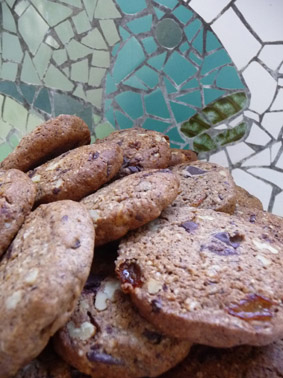
Acorn cookies, bread, soups, muffins & more are really tasty!
Acorns are high in protein, potassium, magnesium, calcium & vitamin B6.
Acorns were the staple food of Californian indigenous tribes and pre-Christian Greeks.
Acorn flour can be used in place of wheat and corn flour and is higher in protein and fiber than both.
Large parts of Kea are covered with acorn bearing Oak forests.
Acorn caps - Hamada - are again being used in European tanneries. We export truck loads every February and March.
Today acorns are eaten in Korea, Turkey & Morocco.
Acorn cookies, bread, soups, muffins & more are really tasty!
Marcie Mayer has been experimenting with acorns since she was 10 years old when she learned that American Indians of her native Northern California sustained themselves on acorn meal & acorn flour. Her experiments and acorn curiosity have put her in contact with many others who find acorns an intriguing and abundantly available source of nourishment.
Marcie hosts the annual Acorn Festival on Kea each year on the last weekend of October.She provides acorn processing services to the local community as well as developing a wide range of acorn products. For more information please visit:
www.oakmeal.com
Marcie hosts the annual Acorn Festival on Kea each year on the last weekend of October.She provides acorn processing services to the local community as well as developing a wide range of acorn products. For more information please visit:
www.oakmeal.com
Subscribe to the Acorn Initiative News letter
sent 2 or 3 times per year. Fill in e-mail. Never shared.
sent 2 or 3 times per year. Fill in e-mail. Never shared.